
The latest VALMAS workshop brought project partners together to reflect on progress, strengthen collaboration across research themes and shape priorities for the next phase of the project.
Held at a pivotal stage in the programme, the workshop focused on how different strands of VALMAS research can be brought together to improve understanding of the environmental, social, economic and governance implications of marine artificial structures in the North Sea.
Discussions explored how insights from evidence synthesis, ecosystem modelling, field observations, stakeholder engagement and values-based research can support more integrated approaches to decision-making. A recurring theme throughout the workshop was the importance of connecting scientific evidence with the diverse perspectives, priorities and trade-offs that influence real-world decisions about offshore infrastructure and decommissioning.
Across the three-day programme, consortium members examined future North Sea scenarios, reviewed progress in developing the VALMAS Natural Capital and Pluralistic Values Framework, and discussed opportunities to strengthen links between governance, environmental outcomes and societal values. Participants also considered how future climate conditions, changing energy systems and evolving policy landscapes could influence decision-making over the coming decades.
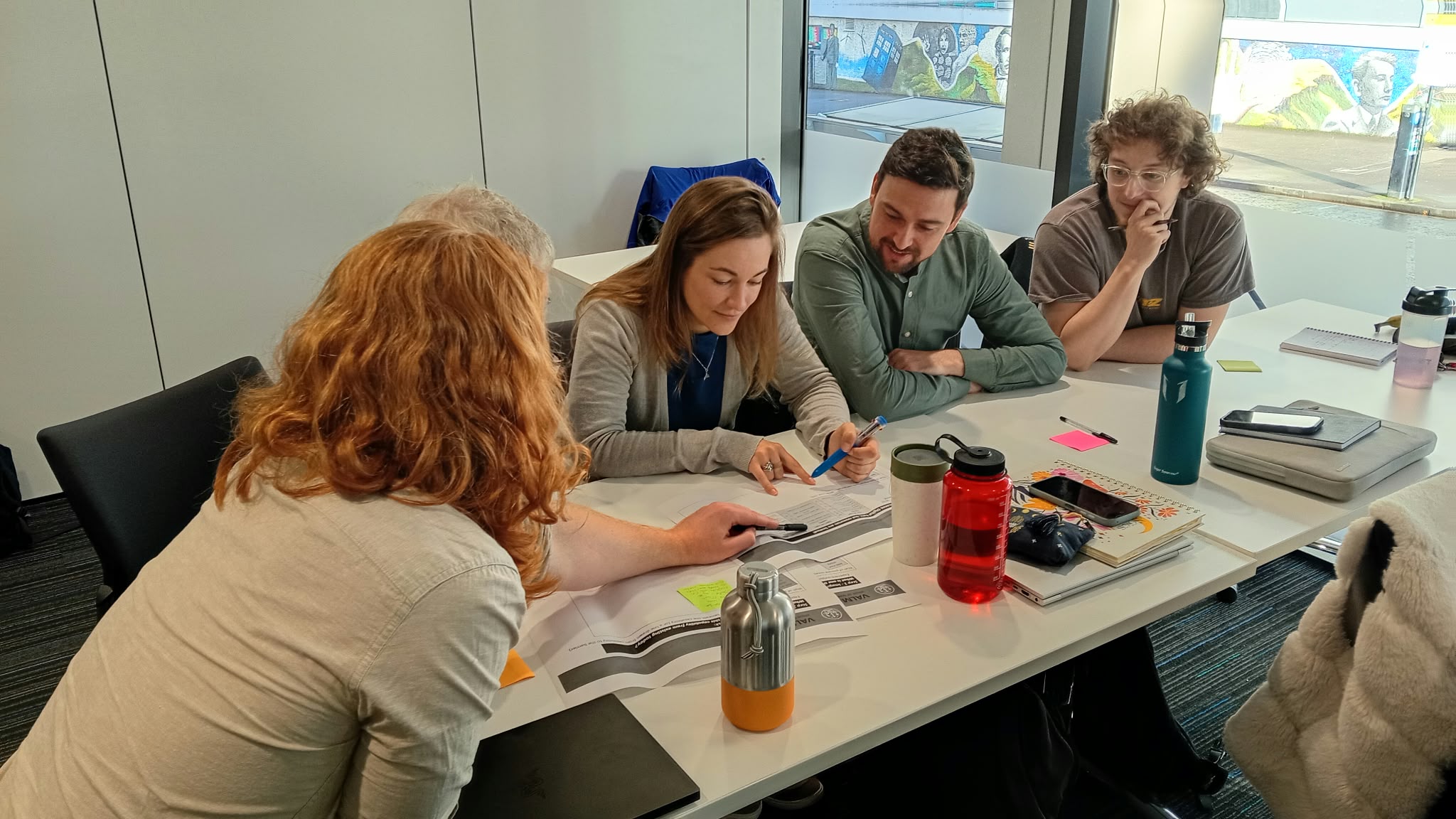
The workshop provided a valuable opportunity for researchers to identify dependencies between research themes, ensuring that evidence, modelling outputs and stakeholder insights are aligned and can feed effectively into future project outputs.
Attention also turned to the delivery of practical tools and resources for end users. Discussions explored how VALMAS data, scenarios and evidence can be translated into decision-support approaches that help policymakers, regulators, industry and other stakeholders navigate complex offshore management challenges.
As VALMAS moves into its next phase, Workshop 4 highlighted the value of bringing together expertise from across disciplines to develop evidence-based approaches for the future management of marine artificial structures and North Sea ecosystems.